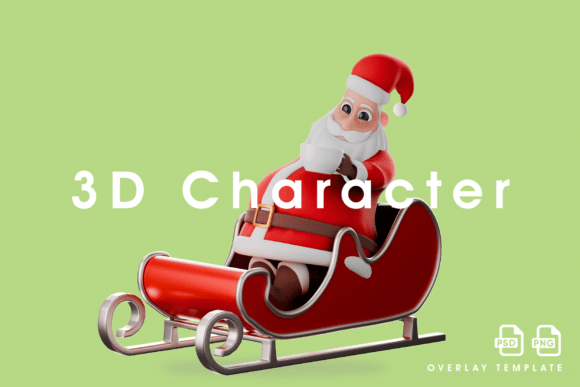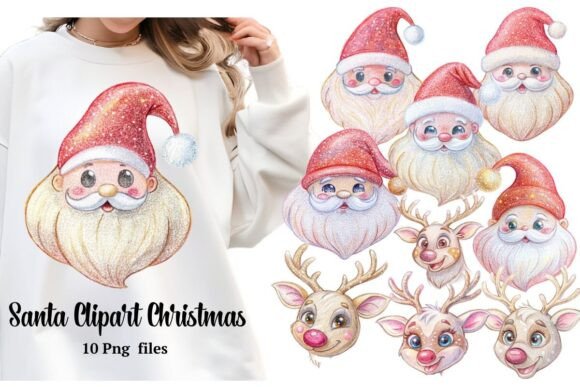
Christmas Bundle of Santa Claus Illustrations
As a digital publisher who has spent years refining the visual identity of content websites, I approach every new graphic design asset with a mix of skepticism and hope. The market is saturated with clip art that looks generic, but finding assets that elevate editorial design while maintaining authenticity is rare. Recently, I evaluated the Christmas Bundle of Santa Claus to see if it could hold its own in a professional publishing workflow. My goal was to determine if this collection could support high-stakes content marketing efforts, from affiliate marketing campaigns to branded lead magnets.
The first impression of this bundle is one of immediate warmth and recognizable charm. It does not feel like cold, corporate clip art. Instead, it carries a playful yet polished aesthetic that aligns well with lifestyle-focused blogs, holiday-themed newsletters, and creative entrepreneur platforms. The illustrations strike a balance between modern design sensibilities and traditional festive cheer. For a website owner looking to boost reader trust during the holiday season, this visual mood is critical. It signals that the content creator cares about presentation without sacrificing professionalism.
Integrating Visuals into Real Publishing Workflows
In my daily operations, visual consistency is the backbone of brand identity. I tested these assets across several key areas of our content ecosystem. The versatility of the Christmas Bundle of Santa Claus allows it to function seamlessly as blog graphics for featured images. When used as an article header, the illustrations provide a clear visual hierarchy that guides the reader’s eye toward the headline rather than distracting from it.
For social media distribution, particularly Pinterest pins, the aspect ratios and vibrant details of these Illustrations perform exceptionally well. A well-designed pin can significantly improve click-through potential by standing out in a crowded feed. I found that the Santa figures were distinct enough to be recognized at a glance, which is essential for mobile users scrolling quickly through their feeds. Additionally, these assets served as excellent accents for newsletter headers, adding a touch of seasonal personality to email campaigns without overwhelming the copy.
We also experimented with using the bundle for downloadable resources. By incorporating these designs into a digital guide or a worksheet, we created a more engaging user experience. A printable design that looks professionally crafted adds perceived value to a lead magnet. If a user downloads a free Christmas checklist, having cohesive, high-quality visuals makes the entire package feel like a premium product. This attention to detail supports small business branding by reinforcing the idea that quality matters in every touchpoint.
Elevating Content Performance Through Design
Good design is not just about aesthetics; it is a functional tool for performance. The Christmas Bundle of Santa Claus contributes to stronger visual identity by providing a consistent set of characters and styles. When readers encounter familiar visual elements across different pages—such as category thumbnails, sidebar widgets, and footer banners—they develop a subconscious recognition of your brand. This consistency improves reader trust because the site feels curated and intentional.
Furthermore, the use of these assets enhances the overall look of content pages. A website that relies on stock photos of people shaking hands often feels impersonal. In contrast, custom or semi-custom creative design elements like these Santa illustrations add character. They break up text-heavy sections and make long-form articles more digestible. For affiliate marketers, this visual break is crucial. It keeps the reader engaged longer, increasing the likelihood that they will notice and click on affiliate links embedded within the content.
The bundle also supports web design projects that require a festive update. Whether you are refreshing a website header for December or creating a temporary landing page for a holiday sale, these illustrations provide the necessary emotional hook. They communicate joy and generosity, which aligns perfectly with the values associated with the season. This alignment helps in converting visitors into subscribers or customers, as the visual tone matches the promotional message.
Ideal Use Cases for Editorial Layouts
- Hero Images: Use large-scale versions of the Santa illustrations to create impactful hero sections that capture attention immediately.
- Pinterest Pins: Leverage the vertical composition options to create eye-catching pins that drive traffic back to your blog posts.
- Blog Graphics: Insert smaller icons or character variations as bullet points or section dividers to maintain visual interest.
- Newsletter Headers: Apply the festive designs to email templates to increase open rates and engagement during the holiday season.
- Digital Products: Integrate the assets into eBook covers or online course materials to give educational content a polished finish.
Strategic Considerations and Limitations
While the Christmas Bundle of Santa Claus is versatile, there are specific contexts where it may not be the best fit. In serious professional niches, such as legal advice or financial consulting, the playful nature of the illustrations might undermine the authority of the content. Similarly, for corporate content that demands a very minimal visual system, these assets could introduce too much noise. It is important to assess your existing brand voice before integrating them.
Technical considerations are also paramount. When using these design assets, always test them on both desktop and mobile screens. A graphic that looks balanced on a wide monitor may become cluttered or illegible when scaled down to a small mobile thumbnail. Check how the illustration interacts with headline text. Ensure there is sufficient contrast between the image and the background to maintain readability. Poor contrast can hurt accessibility and reduce the effectiveness of your call-to-action buttons.
Another critical step is testing typography pairings. Place the Santa illustrations beside serif fonts for a classic editorial look, sans-serif fonts for a modern clean vibe, script fonts for a handwritten personal touch, and display fonts for bold headlines. Observing how the visual weight of the illustration complements the font choice helps refine the overall layout. Additionally, review the file size for web performance. Large images can slow down page load times, which negatively impacts SEO and user experience. Compress images properly using tools optimized for web delivery.
Practical Publisher Notes for Implementation
To get the most out of this bundle, treat it as part of a broader content marketing strategy. Do not use the assets randomly. Plan their placement to support specific goals, such as increasing time-on-page or boosting social shares. Preview the final design inside a real blog layout before publishing. Sometimes, colors that pop in isolation may clash with your site’s existing color palette.
If you plan to use these illustrations in a Canva template or other drag-and-drop editors, ensure that the layers are organized correctly. This makes future edits easier and maintains consistency across multiple graphics. Also, confirm commercial licensing before using the assets on monetized websites, affiliate pages, or paid content products. A valid commercial license protects you from legal issues and allows you to use the creative marketplace assets confidently in your business operations.
Ultimately, the Christmas Bundle of Santa Claus offers a robust solution for publishers looking to enhance their holiday content. By focusing on visual communication and editorial quality, this asset helps create a polished, clickable, and trustworthy online presence. Whether you are designing for a personal blog or a large-scale publication, investing in high-quality digital download assets pays dividends in reader engagement and brand perception. Embrace the festive spirit while maintaining the professional standards that your audience expects.