Christmas Clipart, Animal Clipart, Deer Illustrations
When I take on a new client project, especially one involving seasonal branding or holiday marketing visuals, my first step is always to assess the visual mood. We are not just placing images; we are building a narrative. Recently, I was reviewing a graphic design asset titled "Christmas Clipart, Animal Clipart, Deer" to determine if it would be suitable for a boutique handmade business launching a limited-edition product line. The goal was to create a cohesive brand identity that felt warm, approachable, and distinctly festive without leaning into cliché corporate aesthetics.
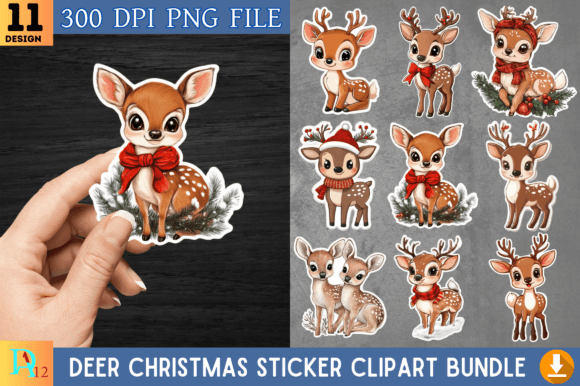
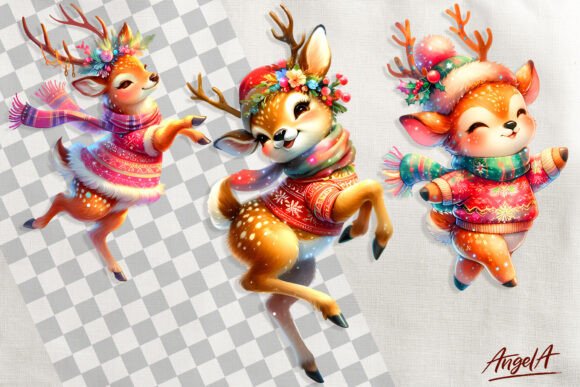
The first impression of this illustration set is one of understated elegance. Unlike the overly saturated, high-contrast clipart often found in free resource libraries, these deer illustrations carry a softer, more organic energy. They feel like they belong in a modern design context rather than a dated scrapbook layout. For a small business owner or a creative designer looking to elevate their commercial design work, this distinction is crucial. It suggests a level of polish that can instantly raise the perceived value of a final product, whether that product is a physical item or a digital download.
Evaluating Visual Mood and Style Compatibility
In the world of brand identity, consistency is king. These deer illustrations appear to fit seamlessly into several popular aesthetic directions. They work exceptionally well for brands aiming for a rustic-chic, woodland, or Scandinavian-inspired look. If you are designing for a handmade business selling candles, soaps, or knitwear, these assets provide the perfect visual anchor. They add character without overwhelming the core message.
However, style compatibility goes beyond just "looking nice." It is about how the asset interacts with typography and layout. When I previewed these designs alongside various font styles, I noticed distinct pairings. A clean sans serif font creates a striking contrast against the organic lines of the deer, making the text pop while keeping the overall composition balanced. Conversely, pairing them with a delicate script font or a handwritten font enhances the personal, artisanal feel of the project. This versatility makes the asset valuable for marketing visuals that need to speak to multiple audience segments simultaneously.
Practical Application in Real Client Projects
Let’s move from theory to practice. How does this clipart perform when applied to actual deliverables? In my review, I tested the asset across several common use cases to see where it shines and where it might falter.
- Packaging Design: For a small batch of holiday gift boxes, these deer illustrations serve as excellent decorative accents. They can be used as corner elements or repeated patterns to create a seamless wrap-around effect. The detail level is sufficient to hold up on medium-sized packaging but requires careful scaling on very small labels.
- Social Media Graphics: In the realm of social media graphics, attention spans are short. These illustrations are strong enough to act as hero graphics for Instagram posts or Pinterest pins. Their clear silhouettes ensure they remain recognizable even when viewed on smaller mobile screens.
- Print-on-Demand Products: For designers selling on platforms like Etsy or Redbubble, this asset is a goldmine. It translates beautifully to t-shirt design, mugs, and tote bags. The clean lines suggest good performance in sublimation printing, provided the source file is high-resolution.
- Crafting and DIY: For Cricut users and crafters, the vector nature of such assets (if available in SVG format) is critical. It allows for precise cutting and resizing without pixelation. This makes the asset ideal for creating custom stickers, ornaments, and wall decals.
Where to Exercise Caution
No single asset is a magic bullet, and professional judgment dictates knowing where Christmas Clipart, Animal Clipart, Deer should be used carefully. There are specific scenarios where this type of illustration might detract from the design quality.
First, avoid using these assets in projects that require strict minimalist branding. If a client’s logo design relies on negative space and ultra-clean geometry, the organic curves of a deer illustration might introduce visual clutter. Similarly, in professional corporate materials such as annual reports or legal briefs, this asset may feel too whimsical or informal.
Another area of concern is scale. While these illustrations are detailed, they are not infinitely scalable in all contexts. Placing them in extremely small sizes, such as favicon icons or tiny UI buttons, can result in a muddy appearance where details are lost. In crowded layouts with heavy text overlays, the visual hierarchy can become confused. It is vital to ensure that the deer illustration supports the text, not competes with it. Using a subtle drop shadow or a solid background behind the text is often necessary to maintain readability.
Technical Checklist for Designers
Before integrating this asset into a paid client project, there are several technical checks every designer must perform. Skipping these steps can lead to costly revisions or legal issues.
- File Format Inspection: Always check if the asset includes both PNG and SVG formats. A PNG design with transparency is essential for layering over different backgrounds, while an SVG design offers the editability needed for vector-based software like Adobe Illustrator.
- Contrast and Readability: Test the asset in black and white. This helps you understand its structural integrity. Then, place it on both light and dark backgrounds to ensure it maintains visibility. Poor contrast can make a printable design look unprofessional.
- Mockup Testing: Never judge a digital asset solely on a white canvas. Place the deer illustration on real product mockups. See how it looks on a textured paper bag, a glossy mug, or a fabric tote. This reveals potential issues with color vibrancy and edge sharpness.
- Commercial Licensing: This is non-negotiable. Confirm the commercial license terms before using the asset for any revenue-generating project. Ensure you have the right to modify the asset, distribute it, and sell products featuring it. Some licenses restrict the number of items sold or prohibit resale of the digital file itself.
- Resolution Check: Preview the asset at large sizes. If you plan to use it for editorial design in large-format prints, low resolution will result in pixelation. Ensure the DPI (dots per inch) meets print standards, typically 300 DPI for high-quality printing.
Final Verdict on Creative Utility
Ultimately, the decision to use Christmas Clipart, Animal Clipart, Deer comes down to the specific needs of the project and the target audience. For brands seeking to evoke warmth, nostalgia, and natural beauty, this illustration set is a strong candidate. It adds emotional appeal and engagement to a design, helping to build a connection with the viewer.
It is important to remember that a design bundle is only as good as its application. These assets should be part of a broader creative strategy. Use them to enhance your web design, complement your digital product offerings, or bring life to your Etsy product listings. By treating them as versatile tools rather than static images, you can maximize their value.
For the experienced designer, the true test is integration. Can this deer illustration sit comfortably next to your client’s logo? Does it support the brand’s voice? If the answer is yes, then you have found a reliable partner in your creative design process. Whether you are crafting a Cricut project for a local market or developing a full-scale seasonal campaign, this asset provides the visual foundation needed to create something polished, professional, and truly festive.