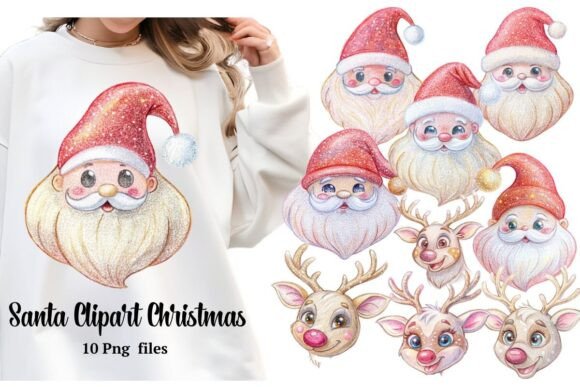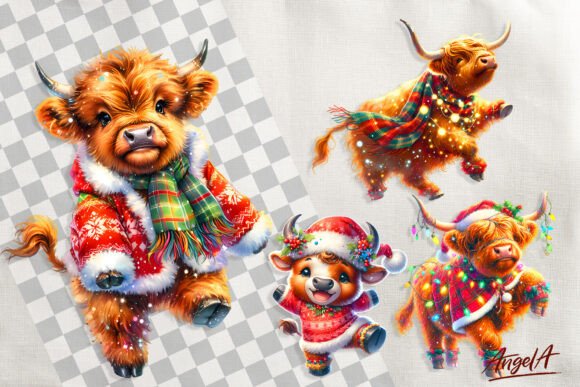
Christmas Clipart, Cute Elephant Illustrations
In the world of digital publishing, visual assets are not merely decorative; they are functional tools that dictate reader engagement, brand trust, and click-through rates. As a blog designer who has spent years optimizing content for both search engines and human attention spans, I approach every new graphic design asset with a critical eye. Does it fit the editorial voice? Is it versatile enough for web use? Can it elevate a standard post into a shareable resource? Recently, I evaluated a specific set of Christmas Clipart, Cute Elephant illustrations to determine its viability for real-world content publishing projects. The results offer valuable insights into how playful, seasonal design elements can support modern website presentation and content marketing strategies.
First Impressions and Editorial Mood
The immediate impression of this Illustrations pack is one of warmth and approachability. In an era where users scroll rapidly through feeds, the "cute elephant" motif provides a soft, inviting aesthetic that stands out against more aggressive or corporate holiday imagery. This design asset creates a mood that is distinctly lifestyle-focused, playful, and festive without being overwhelming. It feels modern yet timeless, making it suitable for a wide range of niches including parenting blogs, small business branding, creative entrepreneurs, and online educators.
For editors and publishers, the visual hierarchy established by these illustrations is crucial. The clean lines and distinct character design ensure that the focal point remains clear even when placed alongside dense text or complex layouts. This is particularly important for web design contexts where readability must coexist with aesthetic appeal. The asset supports a brand identity that values creativity and kindness, which resonates strongly with audiences seeking authentic, human-centric content.
Real-World Publishing Applications
One of the primary concerns for any digital publisher is versatility. A graphic design asset is only as good as the number of places it can be effectively deployed. After testing these cliparts in various workflows, I found them exceptionally adaptable across multiple touchpoints:
- Blog Featured Images: The high-resolution quality allows these images to serve as compelling headers that draw readers into the article immediately.
- Pinterest Graphics: For affiliate marketers and content creators, vertical formats are key. These cute elephants work beautifully on Pinterest pin designs, offering a recognizable visual hook that encourages saves and clicks.
- Newsletter Banners: Seasonal email campaigns often suffer from generic stock photography. Using custom-style social media graphics like these elevates the perceived value of the newsletter.
- Digital Products: Whether creating a digital guide, worksheet, or eBook cover, these illustrations add a layer of polish that justifies the product's worth. They are ideal for printable design resources aimed at parents or teachers.
- Social Media Previews: On platforms like Instagram and Facebook, consistent visual themes build recognition. These assets help maintain a cohesive brand identity during the holiday season.
Supporting Content Performance
Integrating high-quality design assets directly impacts user experience metrics. When a visitor lands on a page with polished visuals, their perception of authority increases. This specific clipart set enhances visual hierarchy by providing clear visual breaks between sections. It improves click-through potential by making links and calls-to-action feel more integrated and less intrusive. Furthermore, it strengthens reader trust by signaling that the content creator invests time in presentation details. For affiliate marketing pages, where conversion is paramount, a professional look reduces friction and encourages purchases.
Strategic Placement and Layout Considerations
To maximize the impact of these creative design elements, strategic placement is essential. They perform best in hero images, category thumbnails, and editorial accents where they can breathe. Placing them beside serif fonts adds a classic touch, while pairing them with sans-serif fonts creates a modern, clean look. Testing them against script or handwritten fonts can yield charming, personal touches for craft-related blogs.
However, there are limitations. Publishers should exercise caution when using these assets in small mobile thumbnails, where detail may be lost. They are also less suitable for text-heavy blog images where the illustration might compete with the message. Additionally, on low-contrast backgrounds or busy layouts, the clarity of the elephant figures could be compromised. Serious professional niches, such as legal or financial services, may find the playful tone misaligned with their corporate content needs. In such cases, a more minimal visual system is preferred.
Technical Publisher Notes
Before integrating any commercial design asset into a monetized website, several technical checks are mandatory. First, always test the image on desktop and mobile screens to ensure scaling is appropriate. Preview the asset inside a real blog layout to check for whitespace balance. It is vital to test contrast and readability, especially if overlaying text on the illustration. Try rendering the image in black and white to assess its structural integrity without color cues.
File size optimization is another critical step. Large images slow down page load times, negatively affecting SEO and user retention. Compress images properly using tools designed for web performance. Finally, confirm the commercial license terms. Ensure you have the right to use the asset on affiliate pages, paid content products, and distributed media kits. Many creative marketplace items come with restrictions that can lead to legal issues if overlooked.
Conclusion for Digital Creators
The Christmas Clipart, Cute Elephant collection represents a solid addition to any publisher’s library of design assets. Its ability to blend playfulness with professional polish makes it a versatile tool for enhancing editorial design and content marketing efforts. By understanding where it fits within your website header, lead magnet, or Canva template workflow, you can create a more engaging, trustworthy, and visually coherent online presence. For bloggers and designers looking to refresh their seasonal content, this asset offers a reliable way to connect with audiences through thoughtful, high-quality visual communication.