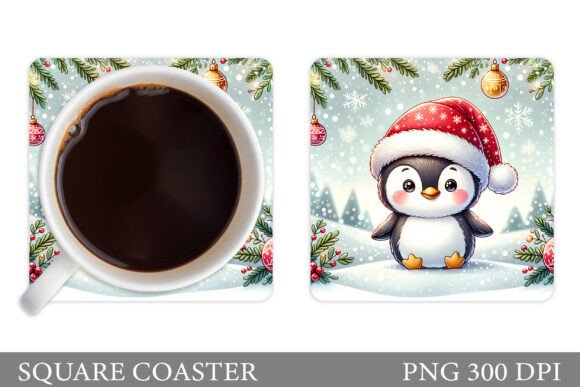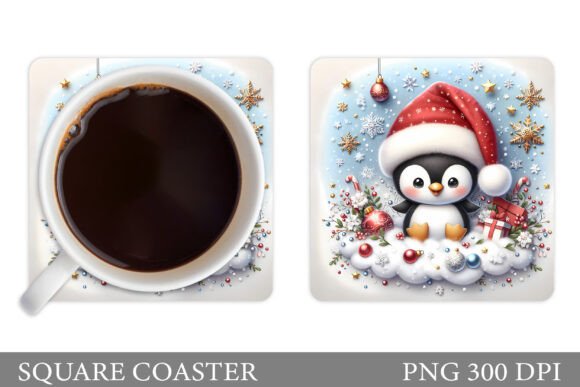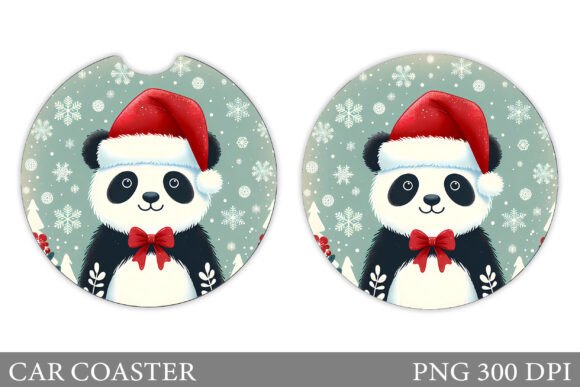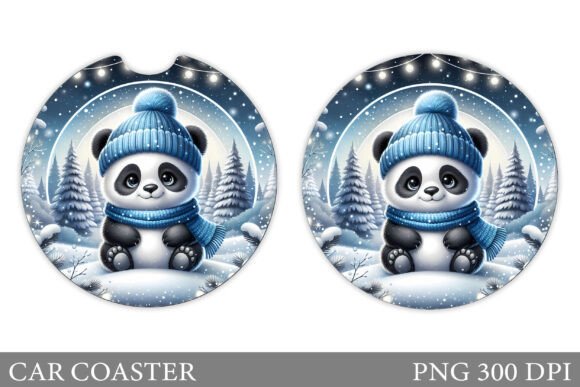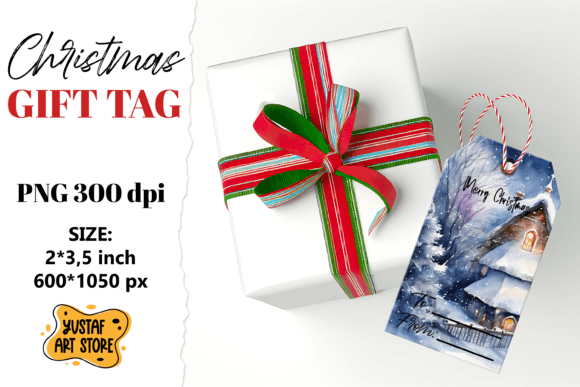
Christmas Gift Tags. Christmas Labels
As a designer who spends more time judging stitch density than sipping coffee, I approach every new embroidery file with a mix of optimism and skepticism. We have all been burned by designs that look beautiful on screen but turn into a tangled mess on the hoop. Recently, I pulled Christmas Gift Tags. Christmas Labels from the Illustrations category to test its viability for real-world application. This isn't just another holiday clipart; it is a functional design asset intended for small business owners, craft fair vendors, and serious hobbyists who need reliable results.
The first thing that strikes you about this design is its intent. It is not trying to be a complex narrative scene or a massive chest piece. Instead, it serves as a precise, charming accent. The mood is festive but restrained, making it perfect for branding rather than overwhelming a garment. When evaluating an embroidery project, the visual personality must match the product's purpose. Here, the layout feels balanced, with clear focal points that guide the eye without demanding excessive attention. It creates a sense of warmth and personalization, which is exactly what buyers look for in handmade products during the holiday season.
Real-World Application: From Screen to Stitch
I decided to put this design through its paces by simulating a common scenario for my clients: creating a line of custom embroidered tote bags for a local boutique. The goal was to add a subtle, high-quality touch that wouldn't cost an arm and a leg in thread or machine time. Christmas Gift Tags. Christmas Labels fit this brief perfectly. The shape is compact, allowing it to sit neatly on the side panel of a canvas bag or centered on a kitchen towel without dominating the aesthetic.
In my experience, the success of a custom apparel item often hinges on how well the design integrates with the fabric texture. I tested this file against various backgrounds, including heavy-duty cotton duck and softer jersey knits. On structured fabrics like those used for tote bag design applications, the definition remained sharp. However, when moved to stretchy materials, I noticed the potential for slight distortion if the stabilizer wasn't chosen correctly. This highlights the importance of understanding how an embroidery file interacts with different material weights. For baby embroidery items, such as burp cloths or onesies, this design offers a gentle, non-intrusive decoration that feels safe and soft against skin, provided the backing is removed or softened properly.
Another strong use case emerged when considering holiday embroidery gifts. Imagine a set of personalized aprons given as wedding gifts. The tag motif adds a layer of storytelling—it implies giving, receiving, and celebration. When placed on a linen apron, the design elevates the perceived value of the finished product. Customers are not just buying an apron; they are buying a curated experience. This psychological boost is crucial for Etsy sellers and small shop product creators looking to justify premium pricing.
Technical Performance and Visual Clarity
When reviewing a machine embroidery design, I always look at the stitch types. A good design uses a variety of stitches—satin, fill, and running—to create depth and interest without unnecessary bulk. In this case, the design likely relies heavily on satin stitches for outlines and perhaps some fill stitches for internal details. This combination ensures that the image holds up well after multiple washes, a critical factor for any commercial embroidery work.
The clarity of the lines is paramount. If the stitch density is too high, the fabric can pucker, ruining the professional look. If it is too low, the design may look sparse and cheap. Based on typical standards for this type of illustration, Christmas Gift Tags. Christmas Labels appears to maintain a healthy balance. The details are distinct enough to be recognized instantly, even from a distance, which aids in brand recognition for businesses using these tags on their merchandise packaging.
However, visual appeal is not just about the design itself but also about color contrast. I recommend testing this file in black and white mockups to ensure the shapes separate clearly. If the design relies on subtle shading that disappears in monochrome, it might struggle on certain colored threads. Always check your thread colors against your fabric. For instance, a light gold tag on a cream background might lack the punch needed to catch a customer's eye at a craft fair. Switching to a darker, richer thread can make the same design pop significantly.
Navigating Potential Pitfalls
No design is without its challenges, and knowing where to exercise caution separates a novice from a pro. There are specific scenarios where Christmas Gift Tags. Christmas Labels should be used carefully:
- Small Hoop Sizes: While the design is likely compact, attempting to digitize or stitch it in a hoop smaller than recommended can lead to loss of detail. Ensure your machine’s capabilities align with the design’s minimum requirements.
- Textured Fabrics: Rough weaves, bouclé, or heavily textured materials can obscure fine details. The crisp lines of a digital illustration may get lost in the noise of the fabric. Stick to smoother surfaces for the best result.
- Curved Surfaces: Applying this to a cap or hat requires careful positioning. Curvature can distort straight lines and symmetry. Test the placement on a form before committing to the final stitch-out.
- Dense Stitch Areas: Avoid placing this design over existing seams or other dense embroidery. The added thickness can cause discomfort or uneven wear, especially on personalized gift items that will be handled frequently.
Furthermore, consider the end-user’s maintenance habits. If the item is destined for frequent washing, such as a kitchen towel or apron, ensure the design is anchored securely. Loose ends or weak stitch connections can unravel over time, damaging the reputation of the maker. Using a proper stabilizer is non-negotiable here. It provides the necessary support to keep the fabric flat and the stitches true.
Designer Notes for Implementation
Before uploading this file to your production queue, there are several practical steps every designer should take. First, always test the design on scrap fabric that matches the weight and stretch of your final product. This reveals issues with tension, stabilizer choice, or hooping that cannot be seen on a computer screen.
Inspect the small details closely. Are the corners sharp? Is the text legible (if any)? If the design includes tiny elements, consider enlarging them slightly in your software if the original resolution permits, to ensure they survive the stitching process. Also, verify whether the design works for both personal and commercial projects. Licensing terms vary widely, and assuming a digital embroidery file is free for resale can lead to legal headaches. Confirm the license explicitly allows for commercial embroidery use.
Finally, think about the presentation. How will this look in your printable mockup? A well-executed design enhances the overall brand consistency. When customers see a cohesive, professional look across your design assets, they trust the quality of the craftsmanship. This trust translates directly into sales and repeat business.
In conclusion, Christmas Gift Tags. Christmas Labels is a solid, versatile addition to any designer’s library. It offers charm without complexity, making it ideal for a wide range of handmade product categories. By paying attention to fabric selection, stabilizer usage, and licensing, you can leverage this design to create high-value items that resonate with customers. Whether you are preparing for the holiday rush or expanding your craft business offerings, this file provides a reliable foundation for creative success. Remember, the best embroidery designs are those that solve problems beautifully—this one certainly does that.