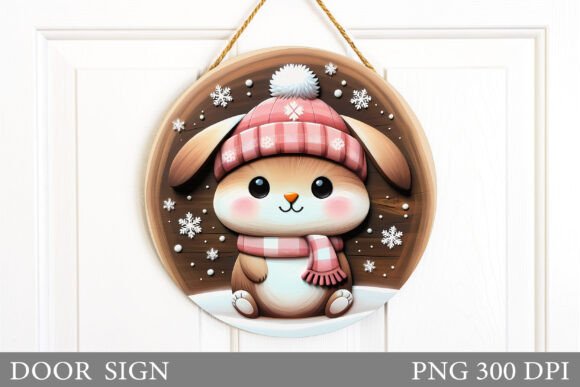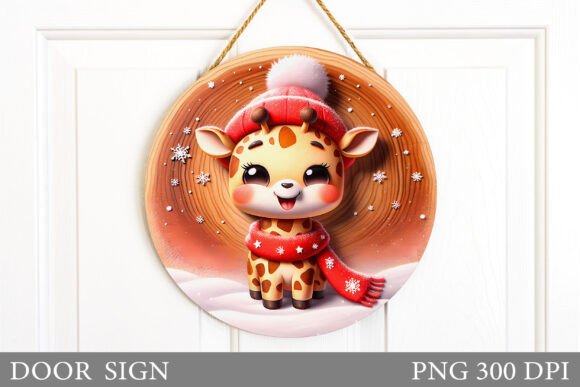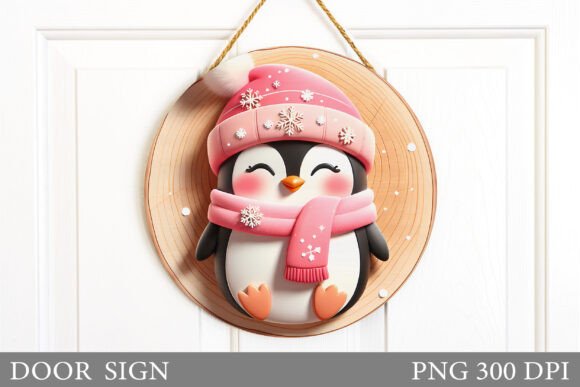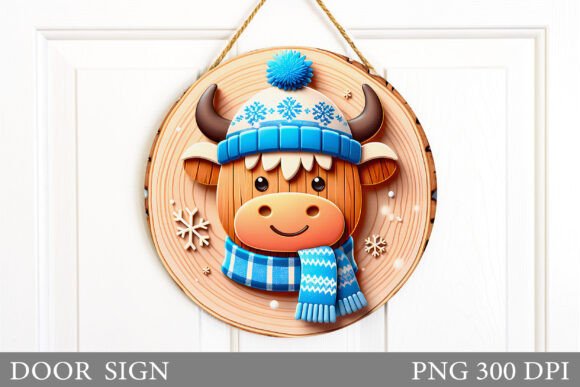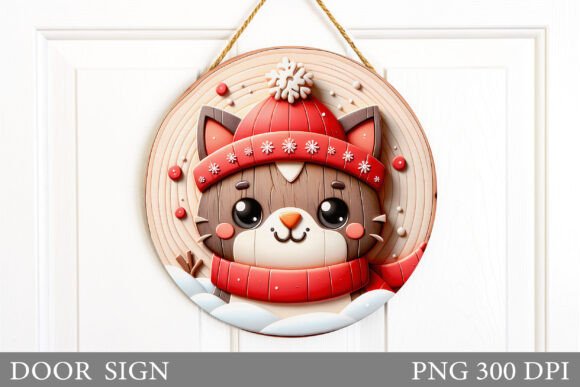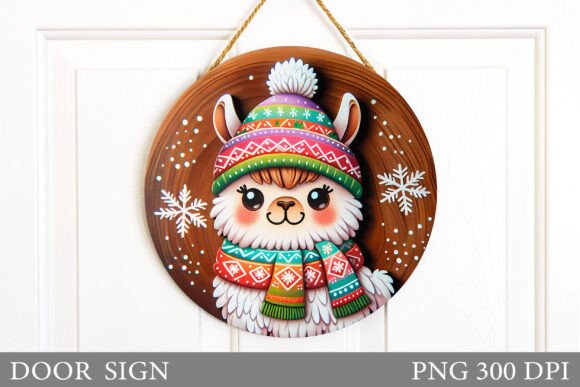
Christmas Lama Door Sign Sublimation: A Designer’s Review
As an embroidery designer who spends more time looking at stitch density charts than holiday movies, I approach every new digital asset with a mix of skepticism and hope. The market is flooded with generic clip art, so finding a design that actually translates well from screen to fabric is rare. Recently, I put the Christmas Lama Door Sign Sublimation file through its paces. I didn’t just look at it; I stitched it, tested it on various fabrics, and imagined how it would perform in a real small business inventory. Here is my honest breakdown of whether this machine embroidery design deserves a spot in your digitizing library.
First Impressions and Visual Personality
The moment you load this file into your hoop software, the layout feels intentional. It isn’t just a random image slapped onto a canvas. The composition of the Christmas Lama Door Sign Sublimation strikes a balance between whimsical charm and structural clarity. For a holiday embroidery piece, it avoids the common trap of being too cluttered. The central figure—the lama—is distinct, and the accompanying text elements are arranged to guide the eye naturally without competing for attention.
Mood-wise, it exudes cozy winter vibes. It feels like something you’d see in a boutique window or a carefully styled Instagram post. The visual personality is warm and inviting, which is crucial for personalized gift items. It doesn’t scream for attention; it invites the viewer in. This subtlety is often what separates a amateur-looking craft item from a professional handmade product. The design assets provided are clean, making them easy to manipulate if you need to resize or reposition elements for different hoop size constraints.
Real-World Application: From Screen to Stitch
I decided to test this embroidery file on three distinct projects to see how versatile it truly is. First, I chose a heavy-weight cotton tote bag. The result was striking. The contrast between the dark fabric and the bright thread colors made the design pop. However, I had to be mindful of the stitch density in the fill areas. On thick canvas, dense fills can cause puckering if the stabilizer isn’t robust enough. I used a cut-away stabilizer, and the finish was crisp.
Next, I moved to a softer, stretchier knit fabric for a baby onesie. This is where many designs fail. The Christmas Lama Door Sign Sublimation held up surprisingly well, but only because I reduced the scale slightly. When placed on a curved surface like a cap or a rounded shoulder seam, the text remained legible, which is a huge plus for custom apparel. The satin stitches around the edges were smooth, showing no jaggedness even when stretched. This makes it an excellent candidate for baby embroidery gifts, where parents want something durable yet adorable.
Finally, I tested it on a tea towel for kitchen decor. The running stitch details added a nice texture that complemented the woven fabric. It felt less like a logo and more like a piece of art. This versatility suggests that this design could easily transition from a crafter business listing to a high-end commercial embroidery project for a hotel lobby during the holidays.
Technical Performance and Stitch Clarity
From a technical standpoint, the digitization is solid. The use of satin stitch for outlines provides a clean border that helps define the shape against busy backgrounds. The fill stitch areas are packed efficiently, avoiding unnecessary jumps that could lead to thread breaks. However, there are areas of fine detail—specifically in the facial features of the lama and the smaller letters—that require careful inspection.
If you are planning to stitch this in a very small hoop size, such as 4x4 inches, those tiny details might merge together. I recommend keeping the minimum size above 3.5 inches wide to preserve the character’s expression. Also, pay close attention to the thread colors. Because the design relies on subtle shading, using low-quality polyester threads can flatten the image. High-sheen rayon or metallic threads can elevate the finished product, adding a touch of luxury that justifies a higher price point for Etsy sellers.
The stabilizer choice is non-negotiable here. For woven fabrics like linen or denim, a tear-away might suffice, but for knits or fleece, a cut-away is essential to maintain stability during the stitching process. Failure to use the correct stabilizer can result in distortion, especially around the curved edges of the door sign graphic.
Where to Use It Carefully
While this design is versatile, it is not a one-size-fits-all solution. There are specific scenarios where caution is advised:
- Dark Fabrics: If stitching on black or navy, ensure the lightest thread colors in the design have sufficient coverage. Thin fills may show through the fabric weave.
- Textured Fabrics: Bouclé wool or heavily textured knits can hide the finer details of the running stitch. Test on a scrap first.
- Small Hoops: As mentioned, avoid cramming this into the smallest possible area. Legibility suffers when text becomes microscopic.
- Frequent Washing: For items like aprons or workwear, dense stitch areas can wear down over time. Reinforce high-friction zones with additional backing.
Impact on Brand and Customer Perception
In the world of small shop products, presentation is everything. A well-executed embroidery project signals quality and care. The Christmas Lama Door Sign Sublimation has a "shareable" quality. Customers love posting their purchases online, and a design that looks sharp and cohesive encourages that organic marketing. It builds trust because it looks professional, not rushed.
For digital product sellers, this design offers great value. It can be used to create printable mockups that showcase the potential of the file. Imagine a listing featuring a mockup of the design on a cozy sweater next to a cup of cocoa. That emotional connection drives sales. It also works beautifully as part of a bundle—pair it with matching ornaments or stockings to increase average order value.
Practical Designer Notes Before You Stitch
Before you commit to mass production or gifting, follow these steps to ensure success:
- Test on Scrap Fabric: Never go straight to the final garment. Always run a test stitch to check tension and alignment.
- Check Black and White Mockups: Convert the design to grayscale in your software. This helps you see if the contrast levels are sufficient for readability.
- Review Stitch Density: Look for areas where stitches overlap excessively. If needed, adjust the underlay settings to prevent fabric distortion.
- Confirm Licensing: If you plan to sell finished items, verify the commercial use rights of the digital embroidery file. Some licenses restrict the number of units you can produce.
- Inspect Small Details: Zoom in on the digitization. Are any paths crossing unexpectedly? Is the text kerning tight enough?
Final Verdict
The Christmas Lama Door Sign Sublimation is a strong addition to any embroiderer’s collection. It balances aesthetic appeal with technical feasibility, making it suitable for a wide range of applications, from tote bag design to sweatshirt embroidery. It captures the spirit of the season without feeling cliché, offering a fresh take on holiday motifs. Whether you are a seasoned pro looking to expand your craft business offerings or a hobbyist wanting to make a unique personalized gift, this design delivers. Just remember: good results come from good preparation. Respect the fabric, choose the right threads, and let the design shine.