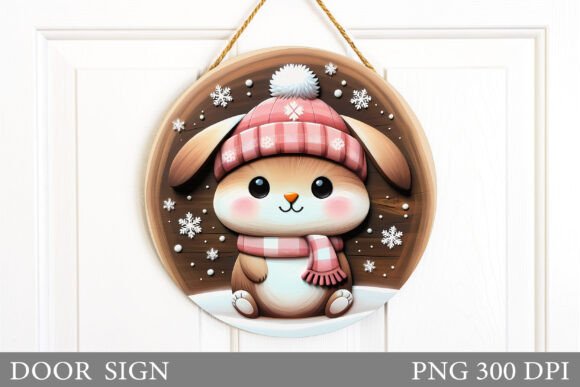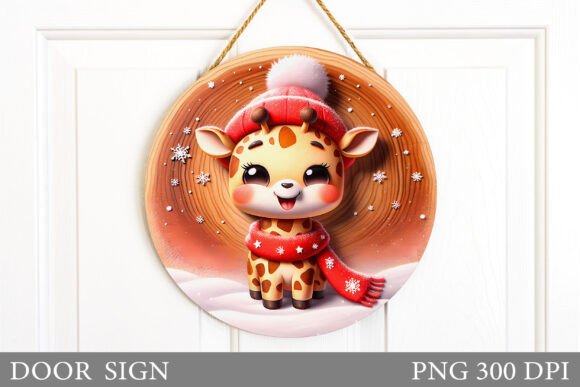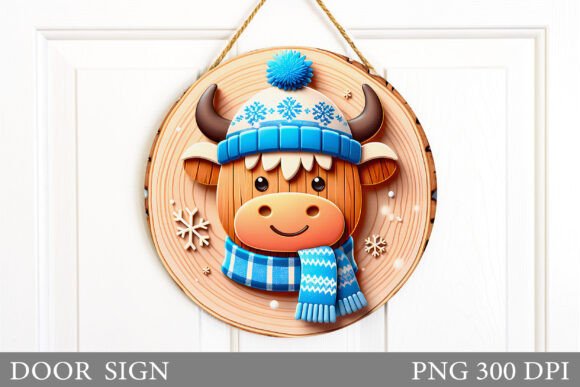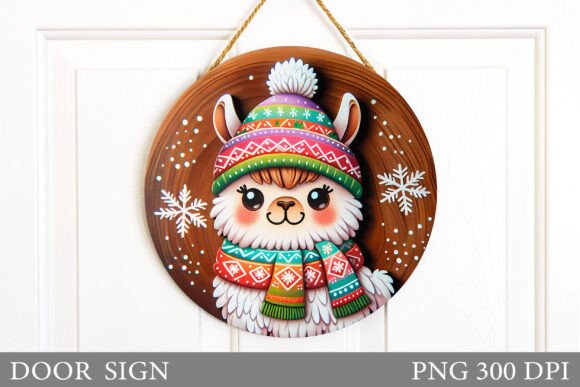
Christmas Penguin Door Sign Sublimation Review
As a designer who spends more time staring at stitch density charts and fabric swatches than sleeping, I approach every new digital asset with a mix of skepticism and curiosity. When Christmas Penguin Door Sign Sublimation landed in my inbox, I didn’t just see a cute holiday graphic; I saw potential inventory for the upcoming craft fair season. The market is saturated with generic snowflakes and reindeer, so finding an illustration that balances whimsy with clear structural integrity is rare. After testing this file extensively on various materials, from heavy cotton canvas to delicate jersey knit, here is my honest breakdown of how this design performs in real-world embroidery projects.
First Impressions: Mood and Visual Personality
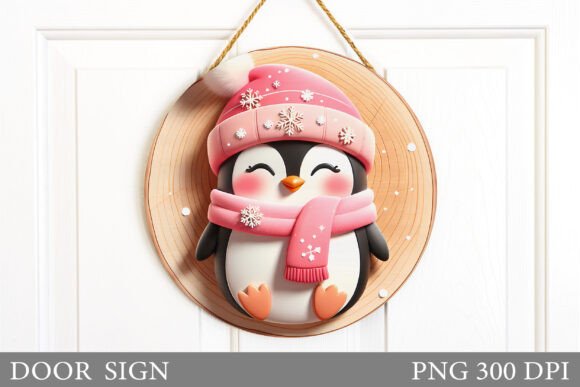
The immediate appeal of this illustrations category piece lies in its narrative clarity. It isn’t just a penguin; it’s a character holding a sign. This adds a layer of engagement that static icons lack. For a small business owner or Etsy seller, this distinction matters. Customers don’t just buy a pattern; they buy the story behind it. The mood is undeniably festive but retains a cozy, handmade warmth that resonates deeply during the winter holidays. Visually, the layout is clean, which is critical for translation into thread. Complex backgrounds often get lost in dense stitching, but this design allows the subject to breathe. The visual personality feels approachable and cheerful, making it an excellent candidate for personalized gifts where the recipient needs to feel an instant emotional connection.
Real-World Application: From Screen to Stitch
I put this machine embroidery design through its paces on several common product types to see how it translates. The results were largely positive, though specific considerations apply depending on the substrate.
- Custom Apparel and Sweatshirts: On a thick fleece sweatshirt, the design held up beautifully. The contrast between the dark penguin silhouette and the lighter background threads popped without getting muddled. It works exceptionally well as a chest logo or a centered back print for holiday-themed custom apparel. The sweatshirt embroidery version looked professional and durable, suggesting it can withstand the rigors of daily wear.
- Tote Bags and Aprons: This is where the design truly shines. A tote bag design featuring this penguin creates an instant statement piece for holiday shopping trips. Similarly, on a kitchen apron, it adds a touch of humor and charm. The fabric texture of canvas or cotton duck provides enough grip for the stitches to anchor securely, preventing any puckering. For a craft business, these are high-margin items that customers love to display publicly, offering free branding for your shop.
- Baby Items and Nursery Decor: Softness is paramount here. When digitized correctly, this baby embroidery project translates well onto muslin blankets or hooded towels. The rounded shapes of the penguin avoid sharp angles, making it visually safe and appealing for nursery decor. It serves as a thoughtful personalized gift for baby showers occurring in the winter months.
- Patches and Caps: For those looking to create an embroidered patch, the distinct outline of the door sign provides a natural border. This makes trimming and applique work straightforward. On caps, however, curvature becomes a factor, which we will discuss below.
Technical Performance and Stitch Clarity
One of the biggest risks in holiday commercial embroidery is over-stitching. Designers often try to add too much detail, resulting in stiff, plastic-like textures that peel after washing. This file strikes a good balance. The use of satin stitch for outlines and borders is crisp, providing definition without excessive bulk. The fill stitch areas appear even, maintaining a smooth surface that feels comfortable against the skin.
The stitch density is moderate, which is ideal for most home and commercial machines. It doesn’t require heavy-duty stabilizers unless you are working with stretchy fabrics. The thread colors suggested in the mockup are vibrant, but remember that screen color does not always match thread color. Always test your palette. The visual appeal relies heavily on the contrast between the black/dark grey elements and the bright reds or greens typically associated with Christmas themes.
Where to Use Caution: Limitations and Risks
No design is perfect, and knowing where this embroidery project might fail is just as important as knowing where it succeeds. Here are the scenarios where you should proceed with caution:
- Small Hoop Sizes: If you attempt to digitize this into a very small hoop size (under 3 inches), the details may become indistinguishable. Tiny text on the "sign" portion could blur together, turning into a muddy blob rather than readable lettering. Stick to medium to large hoops for best results.
- Textured and Stretchy Fabrics: Avoid using this on highly textured fabrics like chunky knits or bouclé wool. The needle penetration will be inconsistent, leading to skipped stitches. Similarly, on thin, stretchy fabrics like spandex blends, the design may pucker if not stabilized properly. Always use a cut-away stabilizer for these challenging materials.
- Curved Surfaces: While it works on caps, the flat nature of the door sign graphic might look distorted if applied to a deeply curved surface without proper padding techniques. Test on a scrap cap first.
- Dense Stitch Areas: Be mindful of areas where multiple colors converge. In dark fabric applications, ensure you have enough underlay stitching to prevent the base fabric from showing through the top layers.
Practical Designer Notes for Success
To ensure your final product looks professional and sells well, follow these practical steps before committing to production:
- Test on Scrap Fabric: Never run a full production run without a test stitch-out. Check for thread breaks, tension issues, and overall shape accuracy.
- Check Contrast: View your design in black and white mockups. Does the penguin stand out? Is the text legible? High contrast is key for readability.
- Inspect Small Details: Zoom in on the digital file. Are there tiny isolated stitches that might cause holes in the fabric? If so, consider simplifying those areas.
- Confirm Licensing: Before listing this as a small shop product or selling finished goods, verify the licensing terms. Some digital embroidery files allow personal use only, while others permit commercial sales of the finished item. Clarity here protects your business reputation.
- Use Proper Stabilizer: Match your stabilizer to your fabric weight. Heavy tear-away for stable wovens, cut-away for knits and delicates.
Final Verdict: Value and Market Fit
In conclusion, Christmas Penguin Door Sign Sublimation is a strong addition to any designer’s library for the holiday season. It offers a blend of charm and technical feasibility that appeals to both hobbyists and serious entrepreneurs. It fits naturally into categories like holiday embroidery, giftability, and brand consistency. By avoiding overly complex details and focusing on a clear, engaging subject, it minimizes production errors and maximizes customer satisfaction.
For Etsy sellers and craft business owners, this design has the potential to drive engagement. It’s unique enough to stand out in a crowded feed yet familiar enough to feel comforting. Whether you are creating a printable mockup for your online store or stitching hundreds of units for a local boutique, this file delivers on its promise of quality and aesthetic appeal. Just remember to respect the technical limitations regarding hoop size and fabric type, and you will have a winning finished product that customers will cherish.